Why Hair Loss Is Increasing in Young Adults — Genetics, Hormones & Stress Part 2
Hair loss has always been common, but more young adults are experiencing noticeable thinning earlier than previous generations. People in their 20s and 30s increasingly report shedding, density changes, and pattern development that traditionally emerged in the 40s or later.
Scientific research shows that hair loss is multifactorial: genetics, hormonal changes, and stress often overlap. Below is a factual, evidence-based overview of these major contributors.
Genetics & Family History

Hereditary hair loss (androgenetic alopecia) remains the leading cause of long-term thinning in both men and women. In this condition:
Hair follicles are genetically sensitive to dihydrotestosterone (DHT)
Over time, follicles shrink (miniaturize)
Hairs grow back thinner and shorter
A recognizable pattern appears
This type of hair loss is increasingly showing up earlier in younger adults. Possible reasons include:
Higher genetic sensitivity to DHT
Added lifestyle stress affecting hormonal balance
Better awareness and earlier detection
Key Point: Genetics set the baseline risk. Other factors—stress, hormones, nutrition—often determine how quickly hereditary hair loss becomes visible.
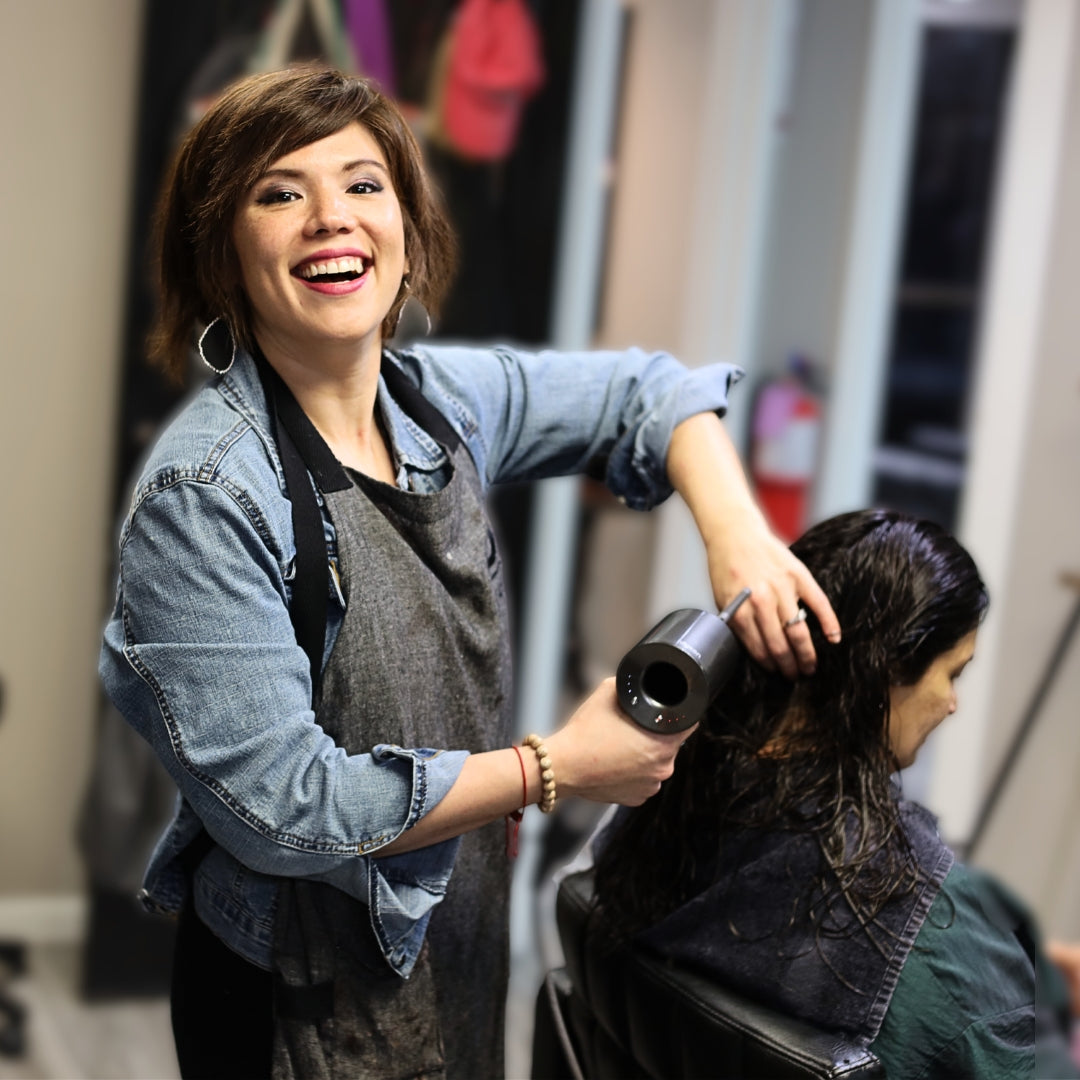
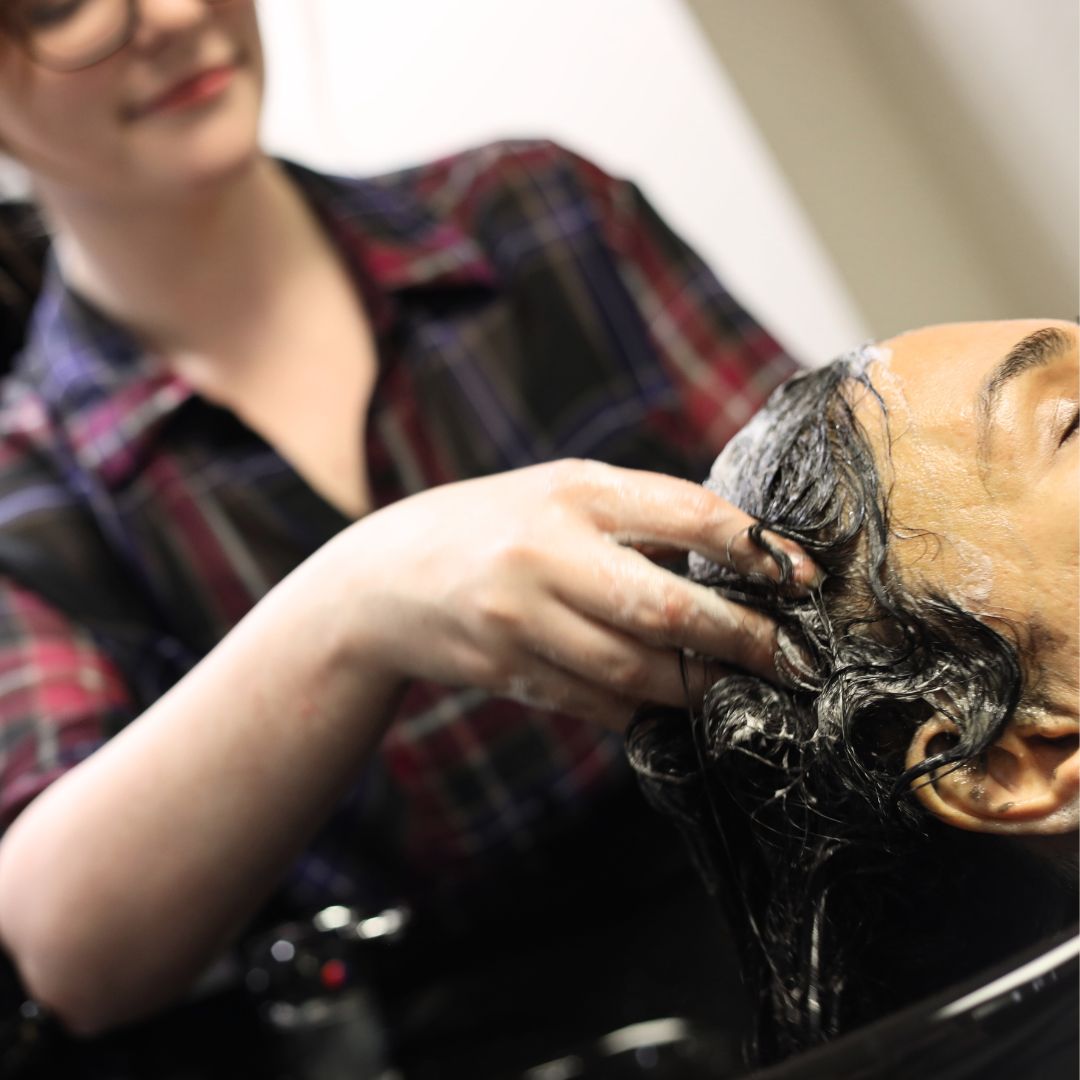
How Ippodaro Natural Salon + Our Team of Hair Healers Can Support You
While genetics cannot be changed, we can support the health of each hair strand and the scalp environment by:

Avoiding harsh chemicals that irritate or stress follicles. We work with a spectrum of color lines, from ultra-gentle biodynamic formulas to more structured, higher-coverage options. This allows us to match the level of product strength to your hair type and scalp health, ensuring the safest and most effective approach for you.
Using biodynamic, non-toxic ingredients that support the hair fiber
Practicing gentle techniques that minimize breakage and tension
Offering low-irritation routines for fragile or thinning hair
We do not treat medical hair loss, but we can help protect the integrity of the hair you have.
Hormonal Factors in Hair Loss

Hormones regulate the entire hair cycle. Even small shifts can affect growth, shedding, and density.
Androgens and Pattern Hair Loss
Androgens—especially DHT—play a major role in both male and female pattern thinning.
Young men with strong DHT sensitivity may thin in their 20s.
Young women with PCOS or androgen imbalance may develop diffuse thinning or widening of the part.
Other Hormonal Shifts
Hormonal changes in both men and women may cause temporary shedding (telogen effluvium) or speed up hereditary thinning.
In Women:
Postpartum estrogen drop
Birth control changes
PCOS
Hypo- or hyperthyroidism
Early perimenopause
In Men:
Testosterone fluctuations
High DHT sensitivity
Stress-related hormonal changes
In Both:
Thyroid disorders
Elevated cortisol from chronic stress
Anabolic steroid or hormonal medication use
Key Point: Hormones often interact with genetics. A genetically sensitive person may not show thinning until a hormonal shift occurs.
How Ippodaro Natural Salon + Our Team of Hair Healers Can Support You

Our approach focuses on protecting hormonally sensitive hair by:
Using ingredients that do not inflame the scalp or disrupt the barrier
Avoiding heavy coatings, plastics, and silicones that suffocate fragile hair
Offering haircutting techniques that preserve the appearance of density
Creating gentle routines that reduce added stress to hormonally affected hair
We complement—not replace—medical evaluation. Our role is to support the scalp and strands during these changes.
Conclusion:
Rising hair loss in young adults often results from overlapping factors: genetics, hormones, and stress. Understanding these influences can help individuals seek appropriate care—both medically and through gentle, supportive hair practices that protect the strand and scalp.