From Darkness to Light: How an Ippodaro Team Member Witnessed Restoration in Honduras

When I first learned about human trafficking, my heart felt heavy and confused. I remember asking myself, How can one human
being do this to another? How can darkness grow to a place where someone could hurt a child—or anyone at all? The thought alone made my heart ache. Whenever I saw an innocent child, I couldn’t comprehend how such harm could ever touch someone so pure and vulnerable. It was overwhelming, heartbreaking, and difficult to understand.
Everything shifted for me during my trip to Honduras. That experience opened my eyes—not only to the reality of human trafficking, but to the incredible resilience of survivors when they are surrounded by love, safety, and the hope found in Jesus Christ. Through the work of Radiate Coalition, I witnessed restoration in ways I never imagined.
Before meeting the girls, I assumed they would be withdrawn, broken, or without joy. But when we walked into the home, I saw light—real, unmistakable light. Despite the darkness they had endured, joy filled the room. Some of these girls had been trafficked by people who were supposed to protect them—family members, even parents. One story that deeply shifted my perspective was hearing about a girl whose own mother would leave her at a prison to visit her father, where she was later exploited by him. Stories like these are impossible to hear without heartbreak.
And yet—God.
Through trauma-informed counseling, consistent structure, and a safe, loving environment, these girls are being restored. They are protected, cared for, and surrounded by a team of staff who I truly believe were hand-chosen by God. Where there was once fear and darkness, there is now peace, calm, and joy. You can see it in their faces. You can feel it in their presence.
What changed me most on this mission trip was witnessing that no matter how deep the darkness, there is always hope when we look to Jesus Christ. He fills the gaps. He restores what feels impossible. He makes life new. That is what I saw in each of those girls—the opportunity God placed before them to heal, grow, and thrive.
This experience encouraged me to be bold—to speak more openly about God, to share what I witnessed, and to raise awareness rather than turn away from the problem. Human trafficking is not only a global issue; it is happening here in the United States as well. What I witnessed was just a small glimpse—a single dent—but awareness matters. Love matters. Faith and prayer matter.
This is what we are created for: not to live selfishly, but to come together, to love one another, and to bring light where there is darkness. Even with language barriers, love and joy remained universal. You don’t need the same words to show compassion.
I had never met these girls before that trip. I didn’t know what God was calling me to do—but I trusted Him to lead. The moment we walked through the doors, we were met with warm smiles, open arms, and hugs. Our purpose was simple: to love them well, just as Jesus loves us. That is what it means to walk more like Christ—and that is the greatest lesson this trip taught me.
Why This Matters to Me

This issue matters to me personally because human trafficking is a reality all around us—not just in Honduras, but here in the United States and across the world. It is not distant or rare. It is happening in places we live, work, and move through every day, which is why awareness and action are so important.
This deeply connects to my faith because we are called to be servants. Scripture reminds us of this calling in Philippians 2:1–4, where we are encouraged to live with humility, unity, love, and compassion—putting the needs of others before our own. That passage has stayed with me and continues to shape how I see service, leadership, and responsibility.
As a salon at Ippodaro, what has truly shifted for us are our values and how we choose to use our business. We want to operate in a way that not only serves our guests well, but also helps support and grow mission-driven work—especially organizations fighting human trafficking. What I have learned about Radiate Coalition is how intentionally structured their care is and how clearly God’s hand is present in the way they love and protect each girl. They don’t just rescue—they restore. They create opportunities, stability, and guidance that help each girl stand on her own, especially as they step into adulthood, while grounding everything in the strength found through Jesus Christ.
This experience has encouraged me to be bold—to bring awareness and to trust that God can use even the darkest situations and turn them into good when we work together. Whether it’s through giving time, donating, praying, or simply sharing these stories, each action matters. Awareness itself makes an impact. When we unite with one purpose—to share the good news of Jesus Christ and rely on Him—hearts and minds are changed.
What changed in me once I couldn’t “unknow” this reality is the understanding that, even in deep sorrow, there is always hope. Yes, what these girls have endured is heartbreaking—but God is faithful. He always works all things for His good. He knows the full story. Our role is to trust Him, believe, and respond with love.
The Reality of Human Trafficking
One of the things that surprised me most when I learned the truth about human trafficking is that it is not about physical restraints, but about control. Control through fear, manipulation, debt, and psychological coercion can be just as powerful as chains. Fear keeps people silent, which is why awareness matters and why turning people toward the truth of God’s Word is so important—because when we know God, we don’t have to live in fear. Human trafficking thrives in silence, misinformation, and assumptions, but it is disrupted through awareness, education, and community care. Many people believe trafficking only happens through kidnapping or violent force, but in reality, it often begins through grooming, emotional manipulation, and false promises. It’s also a common misconception that trafficking only involves sex work, when labor trafficking is widespread as well, affecting people in everyday industries. Another myth is that victims will ask for help, when many don’t even identify as victims due to fear, shame, trauma bonding, or dependence. Traffickers are also rarely strangers; they are often someone the victim knows or trusts. Trafficking usually begins with vulnerability—not weakness—but unmet needs such as loneliness, financial stress, past trauma, or lack of support. It often starts with someone who appears kind, helpful, or protective, offering support, gifts, or promises that build trust before control is ever introduced. Over time, isolation increases, dependence grows, and control quietly takes hold—proving that physical chains are not necessary for exploitation to occur.
Where Radiate Coalition Steps in

I discovered Radiate Coalition through a dear friend and client I met at the salon. Hearing her stories opened my heart and made me want to listen more deeply, and eventually stirred a desire in me to experience this kind of serving firsthand through mission work. What makes Radiate so different is the intentional, genuine care they have for each girl. There is a full-time, around-the-clock team made up of social workers, therapists, a director, translators, and caregivers—every person I met truly loves these girls and is deeply invested in their well-being. Radiate also takes care of their staff, ensuring therapists have their own support, which speaks volumes about the health and integrity of the organization. They are transparent about where resources go, and you can feel the peace and comfort within the home. The girls attend private school to protect them from environments where they could be retraumatized, they participate in daily chores just like our own children, and they are taught how to care for their bodies, including learning healthier ways of eating. They are given opportunities to experience joy through activities and outings, and future plans even include youth camps where skills like teamwork, confidence, and survival are taught. Some members of the team are survivors themselves, which brings an added layer of understanding and compassion. The director, Ilyanna, has been with Radiate since the beginning, and the love she has for the girls is undeniable. Her heart is to provide structure while still honoring choice—meeting each girl where she is, without control, and building a foundation that allows them to stand on their own as they grow into adulthood. What stands out most is that the care doesn’t stop when the girls turn eighteen. Radiate continues to walk with them, whether they choose university or trade school, providing a transitional home where they work, attend school, manage a monthly budget, and learn real-life skills like saving and financial responsibility. By the time they finish their education, they have both confidence and a financial cushion to step into independence. Through Radiate’s work, restoration is not rushed or forced—it is a slow, layered rebuilding of safety, dignity, and identity, done at each girl’s pace. It looks like being listened to without judgment, being believed, and having the freedom to make choices again. Healing happens through trauma-informed counseling, learning emotional regulation, processing pain safely, and rediscovering who they are beyond survival. Restoration doesn’t mean erasing the past or “fixing” someone—it means moving forward with dignity, support, and hope, on their own terms.
Stories of Hope & Healing

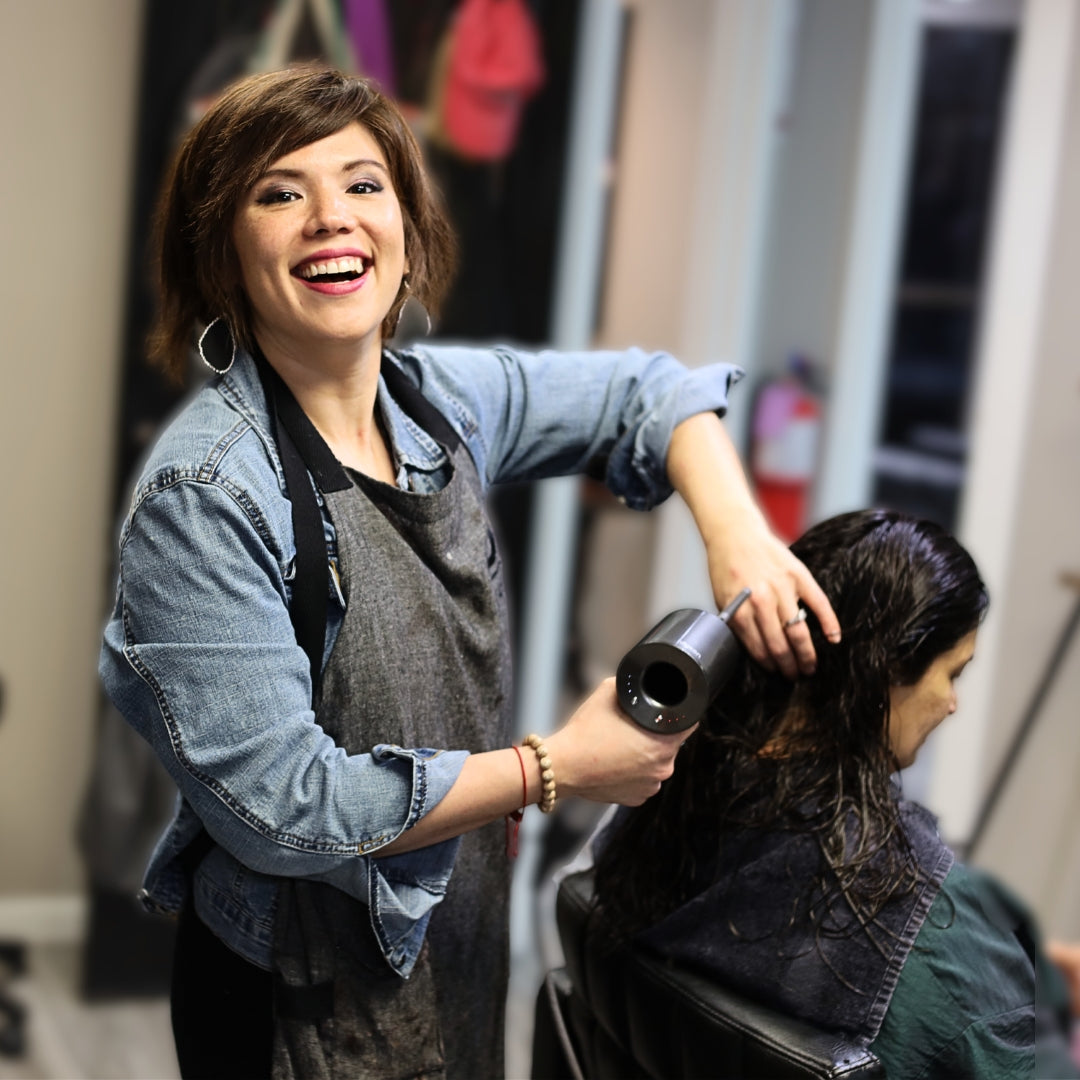
What I witnessed through the survivors is that healing is truly possible. There is hope—with time, with safety, and with the love of Jesus Christ, transformation can happen. While I was cutting the hair of all ten girls, something kept pressing on my heart: Jesus takes the old and renews us into something new. With each end that I cut, I was reminded of how He removes what is behind us and brings renewal, just like fresh, healthy ends after a haircut. In that moment, I truly understood what transformation looks like—not just outwardly, but deeply within the heart and soul. Restoration begins when dignity is restored, when a girl is seen for who she is, not for what she has endured—called by her name, honored in her story, spoken to with respect, and given privacy and choice rather than pity. Safety then allows healing to continue, not just by escaping danger, but through consistency, protection, and care over time—secure housing, reliable nourishment, trauma-informed caregivers, and clear boundaries that allow the nervous system to finally rest. Long-term care is what sustains that healing, because trauma cannot be rushed. It looks like ongoing counseling, education, life-skills training, mentorship, and support through setbacks, not abandonment when things get hard. Together, dignity restores identity, safety restores peace, and long-term care restores hope—creating a foundation for trust, healing, independence, and purpose. Restoration does not mean returning to who someone was before trauma; it means becoming who God always intended them to be, with support, love, and hope leading the way.
A Heart Check: When Awareness Becomes Love in Action
I wish more people understood how much impact simple awareness can have. When we slow down and become more attentive to our surroundings and our community, we create opportunities to help in ways that truly matter. Sometimes just noticing, listening, and being present can make a life-changing difference. Slowing down allows us to see people instead of labels—to recognize the quiet struggle behind a smile, the subtle signs of isolation or control, and the unmet needs that often hide in plain sight. When we pay attention, we can recognize loneliness before it turns into exploitation, offer support before someone becomes dependent on the wrong person, and step in with compassion rather than suspicion. Care transforms environments—schools become safer, workplaces more watchful, and churches and neighborhoods more protective instead of passive. Caring also changes our posture; we listen before questioning, believe before blaming, and walk alongside people rather than trying to fix them. Human trafficking isn’t only disrupted by statistics or campaigns—it is interrupted when ordinary people choose to notice and care. Sometimes the most powerful response isn’t doing more, but simply being present. Vulnerability often exists in spaces we consider safe—salons, gyms, churches, schools, childcare settings, and wellness offices—because those are the places people show up even when they’re hurting. It can hide behind success, politeness, consistency, or a strong work ethic, and it can be increased by financial stress, housing instability, emotional dependence, or offers of “help” that come with conditions. Other times, vulnerability shows up quietly through missed appointments, sudden changes in behavior, withdrawal, or defensiveness. Slowing down allows us to ask better questions, listen longer, and become safer people. Instead of asking, “Are you okay?” we can gently ask, “How are you really doing lately?”—a small shift that can open the door to connection. Loving “the least of these” today begins with dignity—refusing to define people by their past, their trauma, or their need. Love shows up through presence, protection, and patience: sitting with someone without fixing, speaking up when something feels off, meeting practical needs, and staying committed through the long journey of healing. Loving well isn’t about saving people—it’s about walking with them, honoring their humanity, and reflecting care that doesn’t rush or retreat.
How You Can Help
Supporting the fight against human trafficking doesn’t require having all the answers—it starts with small, intentional steps. You can begin by praying, asking God to protect the vulnerable, guide those serving on the front lines, and bring healing and restoration to survivors. Learning more about human trafficking helps replace assumptions with understanding, and sharing awareness allows truth to reach others who may not realize how close to home this issue truly is. You can also support Radiate Coalition financially, helping sustain the long-term care and restoration they provide for survivors. Radiate is continuing to grow, with a new location coming soon to the United States in Houston—more details to come. For those feeling called to be more hands-on, volunteering or attending an event is another meaningful way to walk alongside this mission. Every prayer, every conversation, and every act of support matters, and together, these steps help bring light, hope, and healing where it’s needed most.
Donate today: https://radiatecoalition-bloom.kindful.com/
A Hope That Moves Us Forward
Awareness is not about knowing everything—it’s about refusing to look away. What gives me hope moving forward is knowing that even in the darkest circumstances, God is still at work. I have seen firsthand how love, safety, and intentional care can bring light back into places once filled with fear. I believe awareness and compassion matter because when we choose to see people, listen without judgment, and respond with love, we become part of the healing God is already doing. Awareness leads to action, and compassion creates connection—and together, they remind us that no one is beyond hope or restoration. We may not be able to fix everything, but when we show up with faith, prayer, and a willing heart, God can use even the smallest acts to bring renewal. My prayer is that we continue to walk with open eyes, open hearts, and the courage to care, trusting that God will always meet us there.